When a team is looking to tighten its defense and launch counter‑attacks, the keeper’s role extends far beyond shot‑saving. Jordan Pickford’s distinctive blend of composure, distribution, and reading of the game offers a playbook that coaches can adapt to suit any squad. Below we break down the practical ways Pickford’s approach can be mirrored in your own team, with real‑world examples and actionable take‑aways.
The Defensive Blueprint: What Pickford Brings to the Field
Pickford’s presence in the goal is defined by a calm command of the penalty area. He positions himself to intercept cross traffic before it becomes a threat, which keeps defenders from having to track high balls. His calm demeanor also translates to better communication—he’s the one who tells the line‑up where to cut off dangerous passes. By emulating this trait, a goalkeeper can reduce the number of one‑on‑one situations and allow defenders to focus on marking rather than marking the ball.
- Set‑piece organization: Pickford uses the width of the box to funnel attackers into predetermined zones.
- Defender alignment: He encourages defenders to stay on the line, cutting off the back pass early.
- Pressure management: By staying composed, he avoids the ‘panic‑save’ mentality that can lead to miscommunications.
Long Ball Mastery: A Practical Tool for Your Playbook
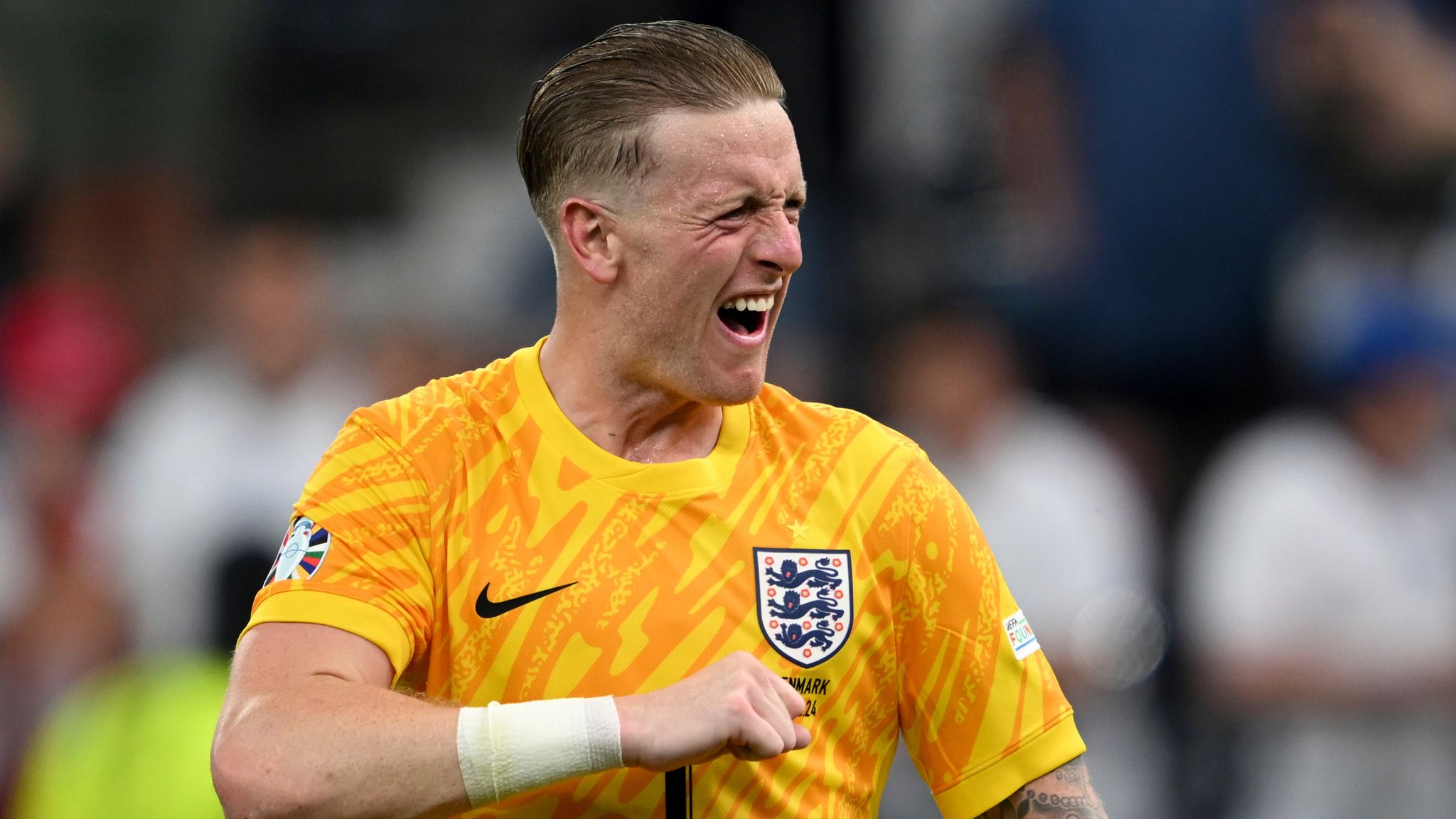
Pickford’s ability to launch accurate long balls from the backline is a tactical asset for teams that prefer to transition quickly. His throws and kicks often travel 20–30 meters with pinpoint precision, allowing midfielders to bypass a congested half‑court. This skill is particularly valuable when a side faces a high defensive line or when time is of the essence in the closing stages of a match.
Example: In a recent Euro qualifier, Pickford’s long ball set up a counter‑attack that culminated in a goal from a teammate who was previously trapped behind the defense. Coaches can implement a similar drill: a goalkeeper practices launching the ball to the far side of the field while defenders move laterally to close gaps.
Recommendation: Incorporate “long‑ball” exercises into your warm‑up routine. Have the keeper practice both a direct throw and a controlled kick, focusing on the same arc and release point. This will create a reliable outlet in high‑pressure moments.
Pickford’s Gloves: Enhancing Grip and Confidence

The first glance at Pickford’s gloves reveals more than just style—they’re engineered for maximum tackiness and durability. The bright orange color not only signals presence but also provides a visual cue for teammates during low‑light or muddy conditions. A keeper’s gloves are often overlooked, yet they can dramatically influence the success rate of saves and catches.
Example: In a rain‑soaked match, Pickford’s gloves maintained grip on a glistening ball that slipped from other goalkeepers’ hands. This prevented a potential goal and allowed him to safely parry the ball to a teammate.
Recommendation: Choose gloves with a tacky palm surface and a breathable, water‑resistant outer layer. Test them in varying weather conditions before a match to ensure they remain reliable throughout the game.
Reading the Game: Pickford’s Anticipation Techniques
Pickford’s keen eye for early ball trajectories is a blend of positioning and instinct. He anticipates the ball’s path by analyzing the striker’s body language and the angle of the cross. This allows him to cut off the ball before it reaches the penalty area, reducing the need for reactive saves.
- Positioning drills: Place the keeper 5–10 meters behind the ball and practice reading the attacker’s approach.
- Video review: Analyze past matches to spot patterns in opponents’ crossing habits.
- Physical conditioning: A quick footwork routine ensures the keeper can move laterally in time.
Decision‑Making in the Box: Quick Tips
Pickford demonstrates two critical decisions: when to stay on the line and when to come off. He uses a simple decision matrix—if the attacker’s stance indicates a shot, he stays; if the ball is low and a teammate is positioned to intercept, he comes off. By teaching this framework, goalkeepers can reduce hesitation and improve reaction time.
Recommendation: Practice “stay vs. come” scenarios during training. Use a whistle or a visual cue to prompt the keeper to make an instant decision, reinforcing muscle memory under pressure.
Bottom Line: Integrating Pickford’s Traits Into Your Team
Jordan Pickford’s approach is a blend of skill, psychology, and tactical awareness. By adopting his long‑ball distribution, grip-enhancing gloves, anticipation drills, and decision‑making framework, a team can create a more resilient defense that also serves as a springboard for attacking play. Implement these elements gradually—start with one skill per week—and watch your squad’s defensive solidity and counter‑attack potency improve.
