When a flock faces mystery, the sheep detectives cast and characters step in with precision and flair. Whether it’s tracking down a stolen wool sweater or unraveling a trailside riddle, these characters tackle each case with practical know-how. Busy readers don’t need drama—just clear solutions. Let’s break down how this team handles real-world pain points like evidence gathering, teamwork gaps, and suspect interviews, all while keeping the plot moving for fans of no-nonsense sleuthing.
Field Challenges Faced by the Sheep Detectives
Sheep detectives operate in unpredictable settings, from muddy pastures to snow-blanketed hills. Their work is complicated by issues like sparse clues, public skepticism, and time-sensitive evidence. For instance, a missing lamb case might rely on tracking hoofprints that vanish overnight. The team addresses these issues by combining low-tech strategies (like dusting for hoofprint details) with community collaboration, ensuring even small clues lead to concrete progress.
Unsung Heroes in the Detective Squad
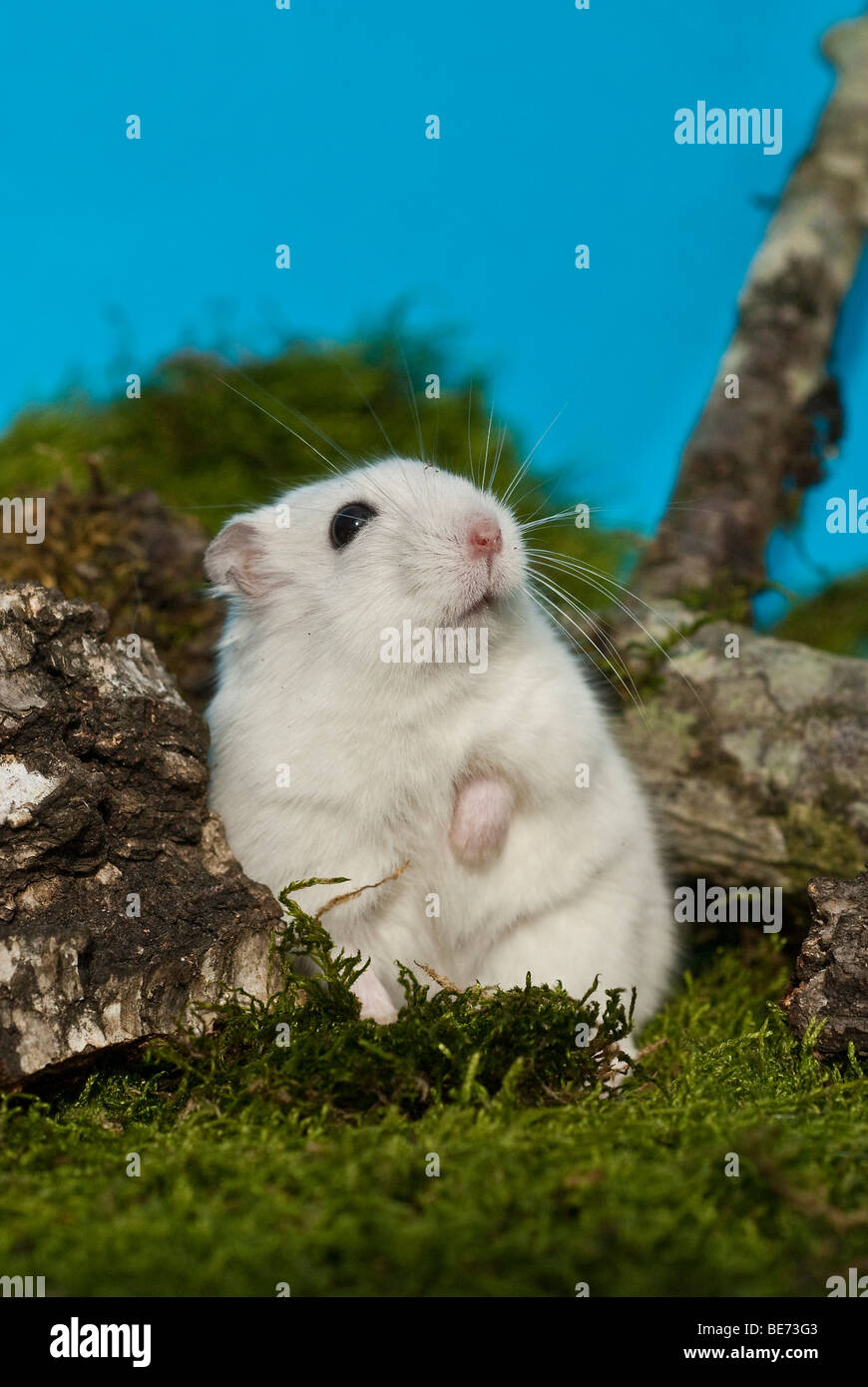
Behind every major breakthrough is a cast of supporting characters, like the Winter White Russian Dwarf Hamster, who plays a key role in evidence handling. Small but mighty, this hamster expertly organizes tiny items like fibers or buttons, ensuring they’re preserved for analysis. While not a spotlight-stealer, its contributions highlight how even minor characters solve major bottlenecks—perfect for readers juggling teams with skill gaps.
Training and Expertise That Separate the Team
The detectives train rigorously in areas like forensic grazing, terrain navigation, and suspect interviews. For example, a character with a background in shearing might identify a suspect’s tools by the cut of wool left behind. This technical depth means viewers don’t have to wade through fluff—each episode focuses on actionable skills like pattern recognition or interrogating uncooperative suspects, directly addressing viewer frustrations with vague content.
Streamlining Teamwork for Efficiency
Pain points like miscommunication or duplicated efforts are tackled through strict role assignments. One detective specializes in alibi verification, while another maps terrain using flock density. This structure prevents busy readers from feeling overwhelmed by disjointed plots. By showcasing how characters delegate tasks and resolve conflicts quickly, the series mirrors real-world strategies for optimizing small teams under pressure.
Impact on the Flock and Beyond
The detectives’ work extends beyond solving cases—they educate viewers on prevention. A recurring segment might demonstrate how to secure barns or mark personal items, turning passive audiences into proactive problem-solvers. For readers tired of superficial content, this blend of storytelling and actionable advice offers a unique value: entertainment that also builds practical skills without extra steps to apply them.
